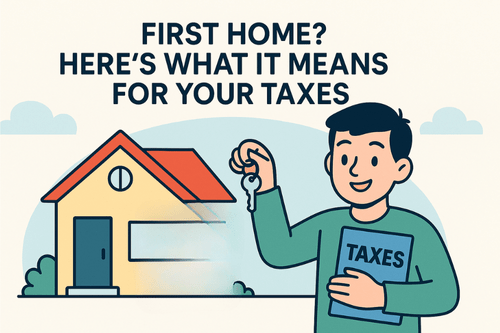
So you’ve got the keys, snapped the “standing in front of the house” photo, and survived your first trip to Home Depot. Congrats! Now comes the part they don’t put on HGTV: what owning a home means for your taxes.
Owning a home changes how you file—sometimes in your favor, sometimes just adding paperwork. Let’s break it down.
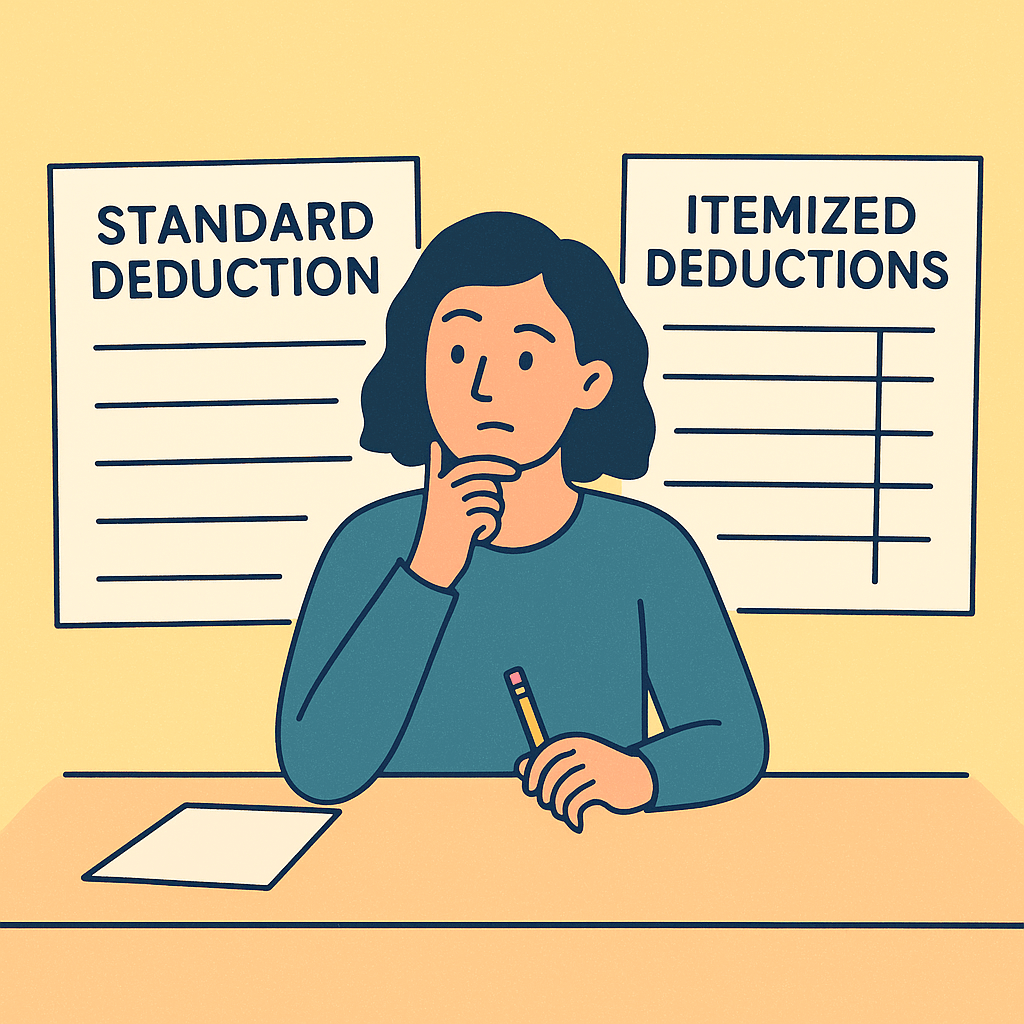
1. You Might Itemize Instead of Taking the Standard Deduction
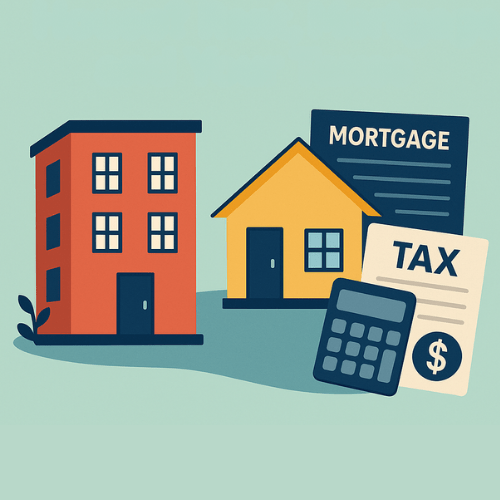
As a renter, you probably just took the standard deduction (the IRS’s no-questions-asked write-off). But with a mortgage, property taxes, and possibly mortgage insurance, itemizing may save you more.
What can go on your itemized list?
- Mortgage interest (usually the biggest chunk)
- Property taxes you pay each year
- Mortgage insurance premiums (sometimes deductible, depending on current IRS rules)
Not everyone saves by itemizing, but it’s worth checking.
2. Mortgage Interest = A Big Deduction
The first few years of your loan, most of your payment is interest. That means bigger potential deductions early on. Your lender will send you Form 1098 with the exact amount you paid—don’t ignore that envelope.
3. Property Taxes: Painful to Pay, Helpful to Deduct
Yes, writing that check to the county stings. The good news? State and local property taxes can count as itemized deductions (though there’s a cap on how much you can claim).
4. Home Improvements Might Pay Off Later
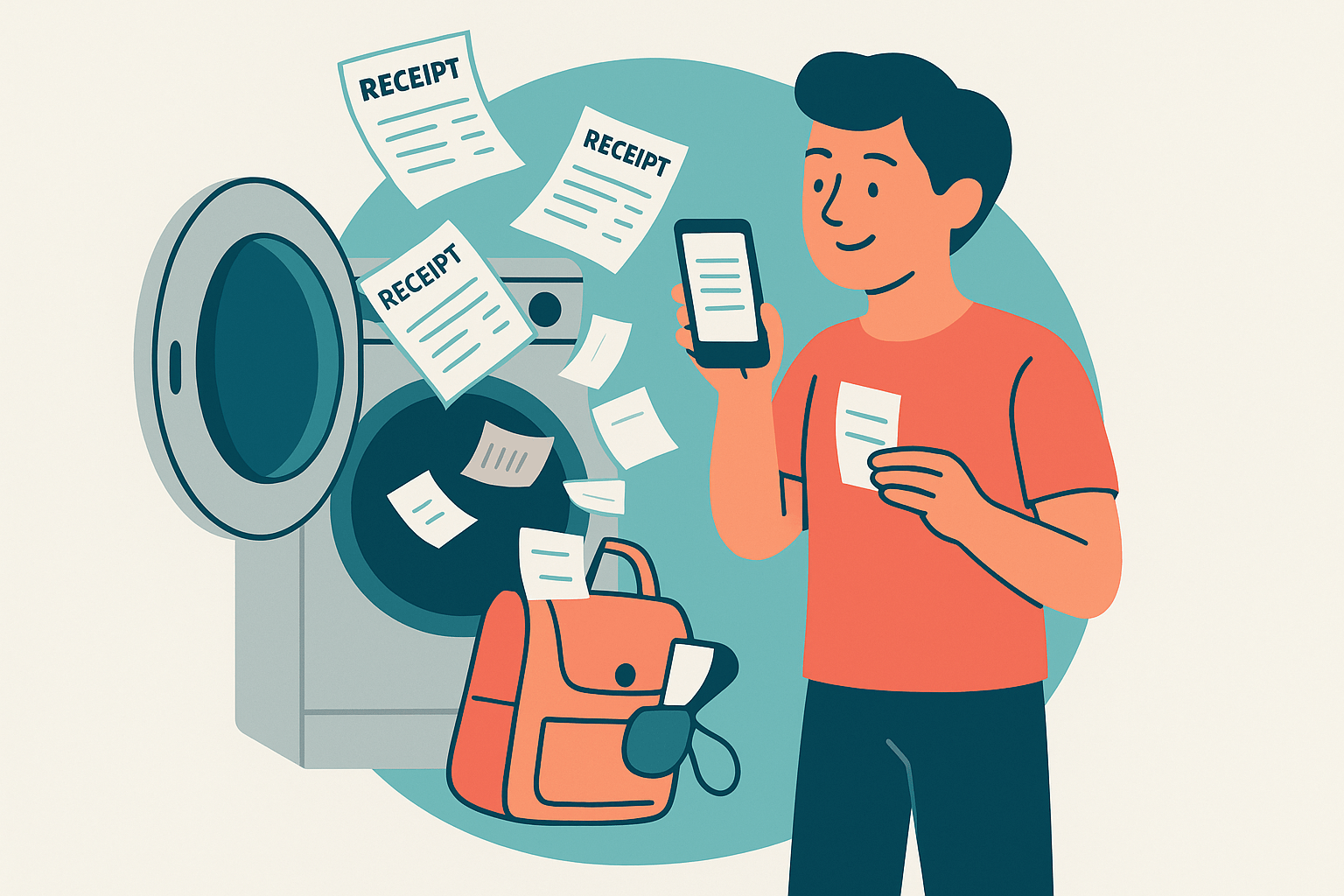
Not every paint can or new light fixture is deductible now. But improvements that increase your home’s value—like a new roof or solar panels—could lower taxes when you sell, or qualify for credits. Keep receipts in a safe place (not just crumpled in a junk drawer).
5. First-Time Homebuyer Credits? Mostly History
That “first-time homebuyer credit” you may have heard about ended years ago. There are still occasional state or local programs, and certain energy-efficient upgrades can snag you credits. But don’t bank on a big federal freebie.
6. Selling Later? Watch Capital Gains Rules
If (someday) you sell, you might be able to exclude a big chunk of profit from taxes—if it was your main home and you lived there long enough. Not today’s problem, but good to know for future-you.
The Big Picture
Owning a home can unlock tax breaks, but it also makes your return more complex. The days of breezing through a 1040EZ are over—but that doesn’t mean you need to spend Saturday wrestling with tax software.
👉 Save yourself the stress: Book your return with a real human who knows first-time homeowner rules. Takes 2 minutes → makeadultingeasier.com/book
Disclaimer: General information only—confirm with current IRS guidance or a tax professional.