We’ve all seen the headlines: “So-and-so billionaire paid $0 in taxes.” Trump. Bezos. Musk. Pick a name, and it’s probably been in the news. Which makes you wonder… wait, am I paying more in taxes than the richest people alive?
Short answer: sometimes, yes.
Long answer: let’s break it down—and then focus on what actually matters for you.
How Billionaires Keep Their Taxes Low
Here’s what makes their tax world different from yours:
- They don’t earn a paycheck.
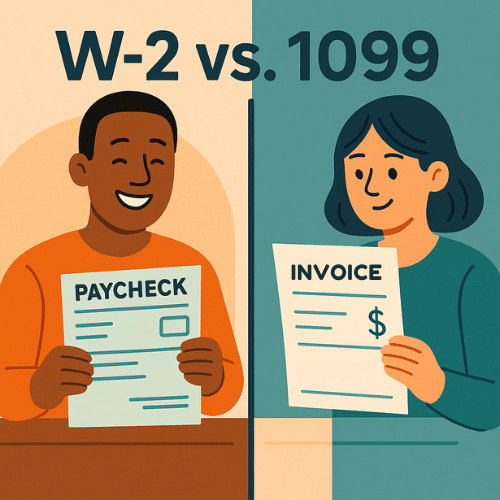
You get W-2 income. They mostly live off investments, companies, or loans against their wealth. - They write off almost everything.
Private jets, estates, even “business meetings” on yachts—when it’s tied to a company, it can be a deduction. - They use losses to cancel out gains.
A big business loss this year can shrink tax bills for years to come. - They borrow instead of sell.
Need cash but don’t want to sell stock (and trigger tax)? They just borrow against their billions.
👉 None of this is magic or illegal—it’s how the system is built. But it’s a very different universe than filing your taxes as a W-2 employee or side hustler.
What Actually Matters for You
You probably can’t deduct a private jet. But you can take advantage of credits and deductions most billionaires don’t qualify for:
- Child Tax Credit if you’ve got a new little one.
- Dependent Care Credit or FSA if you’re paying for daycare.
- Mortgage interest deduction if you bought your first home.
- Student loan interest deduction (yep, still a thing).
- Side hustle write-offs if you’re freelancing, consulting, or driving Uber.
These add up. And unlike billionaire loopholes, they’re designed for regular people like you.
Don’t Worry About Their Taxes—Worry About Yours
At the end of the day, you can’t control how the ultra-rich play the game. But you can make sure you’re not leaving money on the table with your own return.
Skip the shoebox of receipts. Skip the stress. Let’s make sure your tax return is done right.
👉 Book your tax prep in 2 minutes here: makeadultingeasier.com/book
General information only—confirm with current IRS guidance or a tax professional.