Moving into your first place feels like a big milestone. (Pro tip: IKEA furniture counts as a workout.) But once the boxes are unpacked, you might wonder: Does rent or a mortgage change how you file your taxes?
Let’s break it down.
Renting: Simple, but no tax perks
- Rent isn’t deductible. Sorry—paying your landlord doesn’t lower your federal tax bill.
- Utilities? Nope. Unless you’re self-employed and working from home (then part of your space may qualify as a home office deduction).
- State/local perks. A few states or cities give renters credits, so it’s worth checking local rules.
Bottom line: Renting is straightforward for taxes—nothing extra to track (which is kind of nice).
Owning: More paperwork, more potential savings
Your mortgage brings grown-up responsibilities and possible deductions. Homeowners may benefit from:
- Mortgage interest deduction – Especially in the early years, this can be significant.
- Property taxes – Deductible up to federal limits.
- Points paid on your loan – Sometimes deductible.
- Energy-efficiency credits – Installing things like solar panels could qualify.
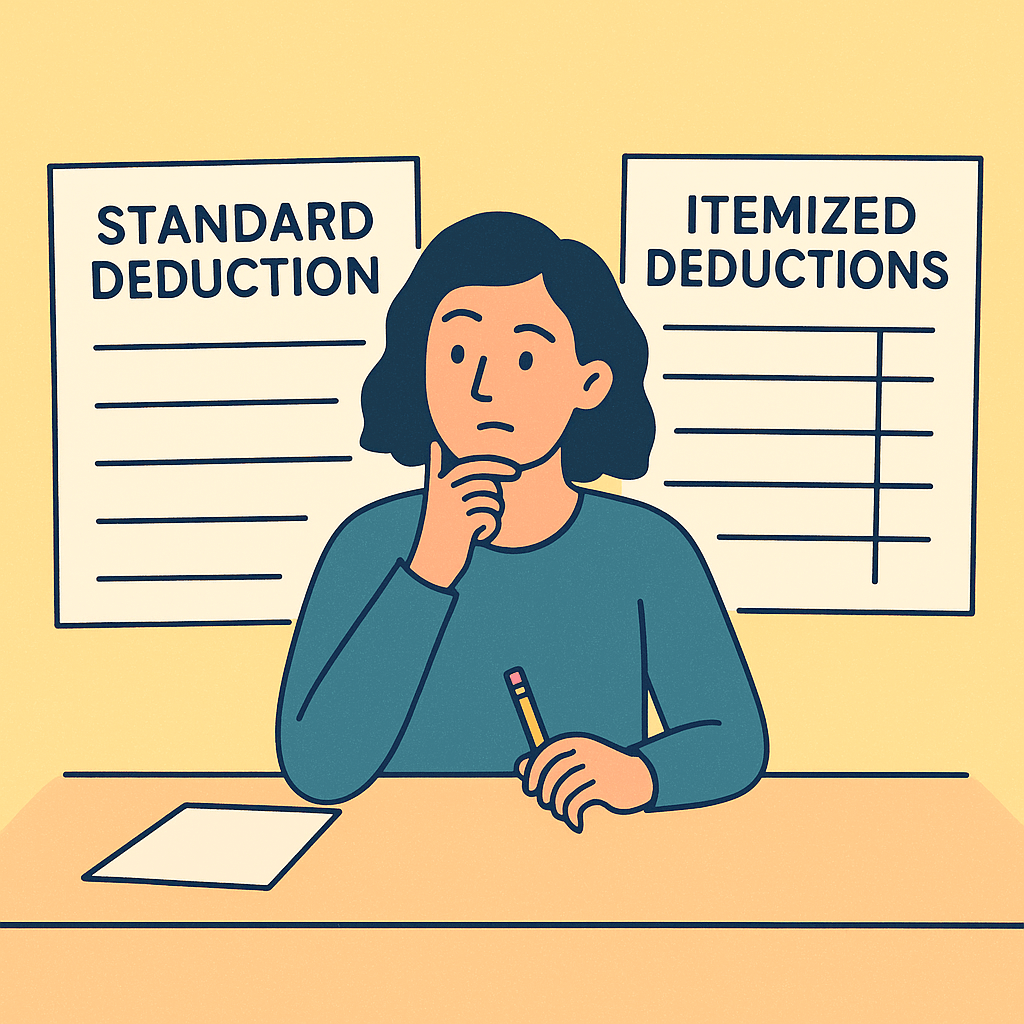
⚠️ Key catch: You only see these benefits if you itemize deductions instead of taking the standard deduction. For many first-time buyers, that math doesn’t work out every year.
Pro tip: Keep records now, thank yourself later
- Save your closing documents and annual mortgage statements (Form 1098).
- Track home improvements—some affect your taxes when you sell.
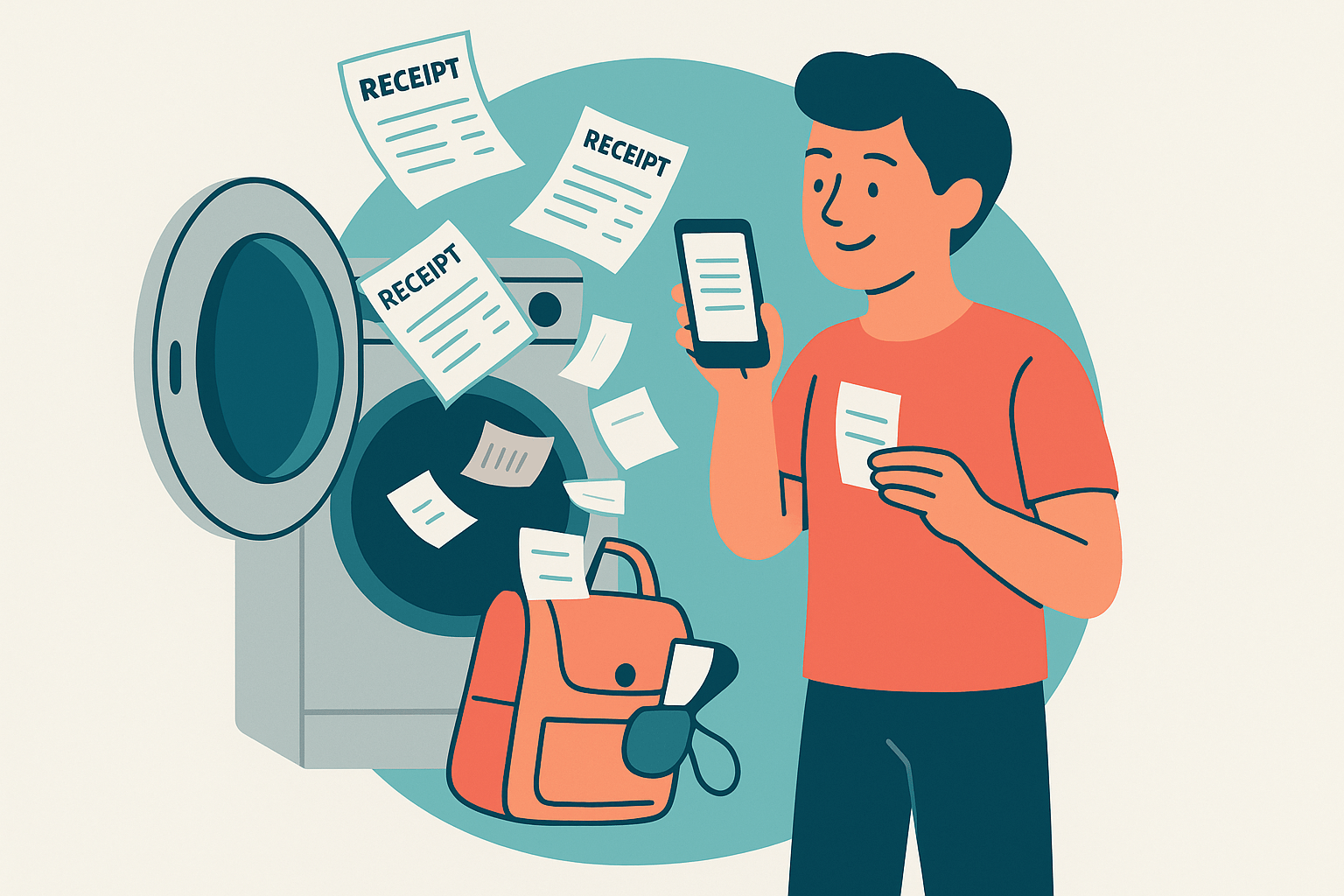
- Use our free Expense Tracker to upload receipts in seconds.
Paper receipts are like socks in the dryer—they disappear unless you corral them.
Which is “better” for taxes—renting or owning?
Honestly, don’t buy a house just for the tax break. Buy because you want the home, and let the tax perks be the bonus topping—like guac on your burrito.
✅ General information only—confirm with current IRS guidance or a tax professional.
Ready to find out what really applies to your situation?
👉 Book your tax appointment in 2 minutes and skip the stress.