The Myth: Legal = Deductible
You live in a state where medical marijuana is legal. You even have a prescription. Naturally, you wonder: “If I can use it legally, can I deduct the cost as a medical expense on my taxes?”
Seems logical, right? After all, prescriptions usually count.
The Reality: Why the IRS Says No
Here’s where federal vs. state law clash.
- Even if your state legalized medical marijuana, the IRS follows federal law.
- Under federal law, marijuana is still classified as a Schedule I controlled substance.
- Translation: the IRS doesn’t allow it as a deductible medical expense.
So, whether it’s flower, edibles, oils, or related products, medical marijuana is not tax deductible—even with a prescription.
What You Can Deduct for Medical Expenses
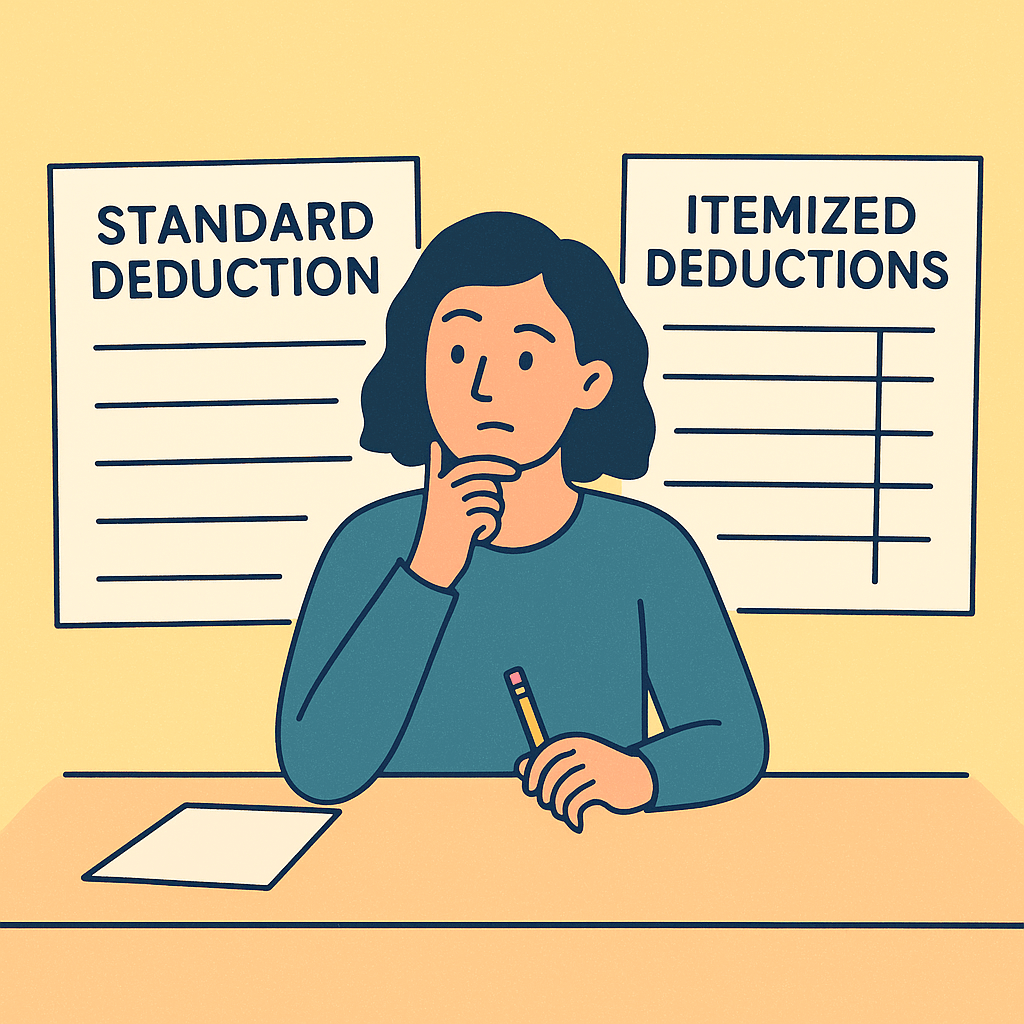
Don’t lose hope—plenty of other medical costs do qualify if you itemize:
- Prescription medications approved by the FDA
- Doctor and dentist visits
- Mental health therapy
- Medical equipment (crutches, CPAP machines, etc.)
- Even certain travel expenses related to medical care
Your cannabis receipts may not help you, but your other medical receipts definitely could.
Quick Example
Let’s say Jordan spends $2,000 on prescribed medical marijuana in 2025. Unfortunately, that entire amount is not deductible under IRS rules.
But Jordan also spends $3,000 on therapy, prescriptions, and dental work. Those costs can be added toward itemized medical deductions.
Bottom Line
Medical marijuana may be legal where you live, but the IRS doesn’t recognize it as a deductible expense. Stick to traditional medical costs if you’re aiming for a tax break.
General information only—confirm with current IRS guidance or a tax professional.
👉 Want to maximize your medical deductions the right way?
Book your tax prep in 2 minutes: makeadultingeasier.com/book