The W-4 form is one of those “welcome to adulting” papers you get when starting a new job. It tells your employer how much federal income tax to withhold from your paycheck.
Think of it as a settings menu for your taxes: choose wisely, and you won’t end up owing a big bill or giving the IRS a year-long loan.
What Is a W-4?
- Official name: Employee’s Withholding Certificate.
- Purpose: Tells your employer how much tax to take out.
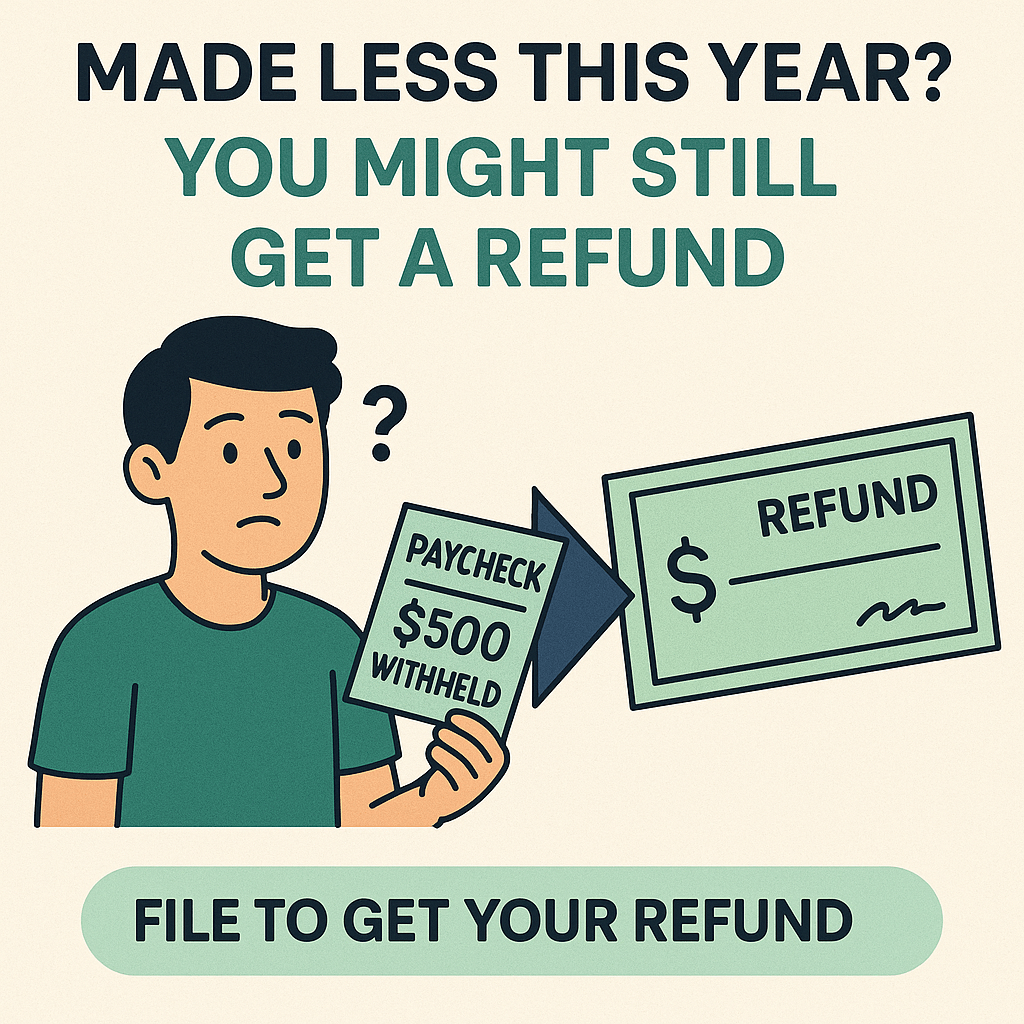
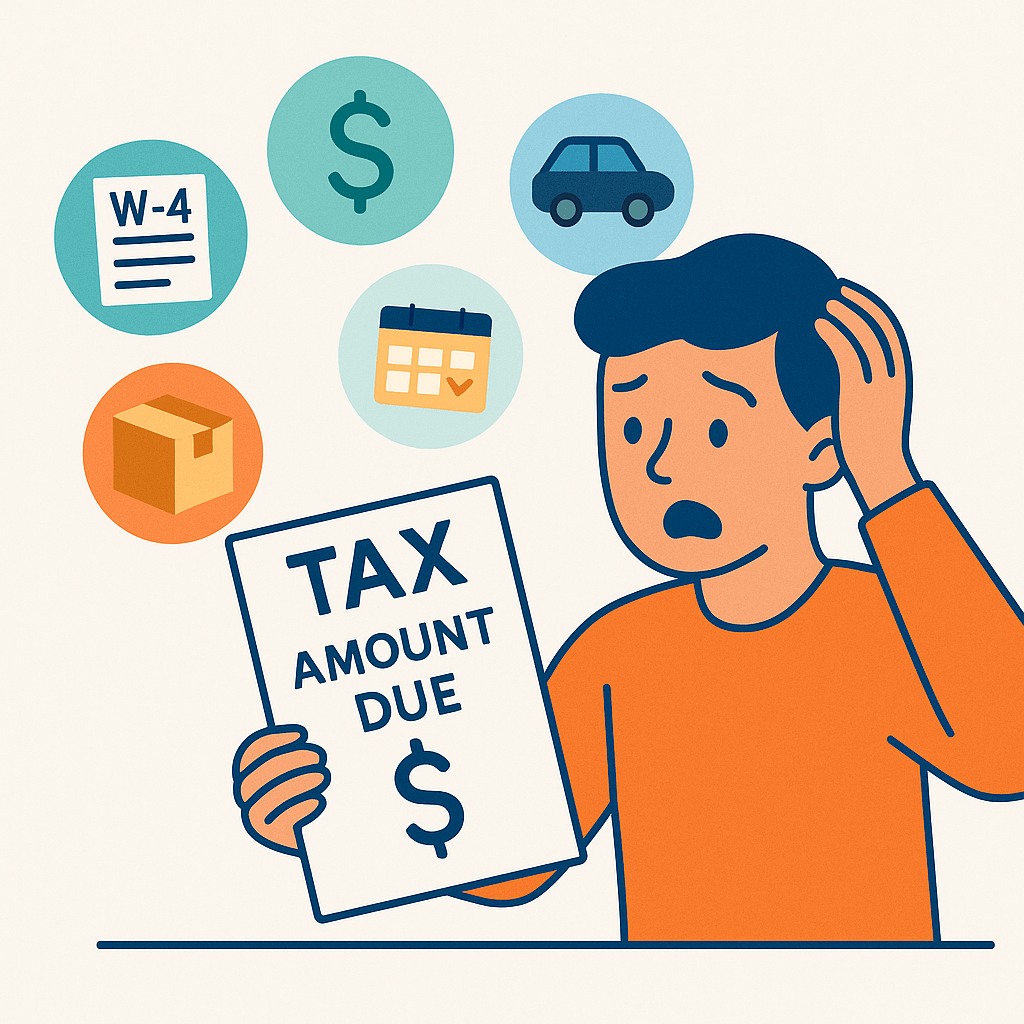
- Why it matters: The more taxes withheld, the smaller your paycheck (but maybe a refund later). The fewer withheld, the bigger your paycheck (but you could owe in April).
The Steps, Made Simple
Here’s how to fill it out without the IRS-speak:
Step 1: Basic Info
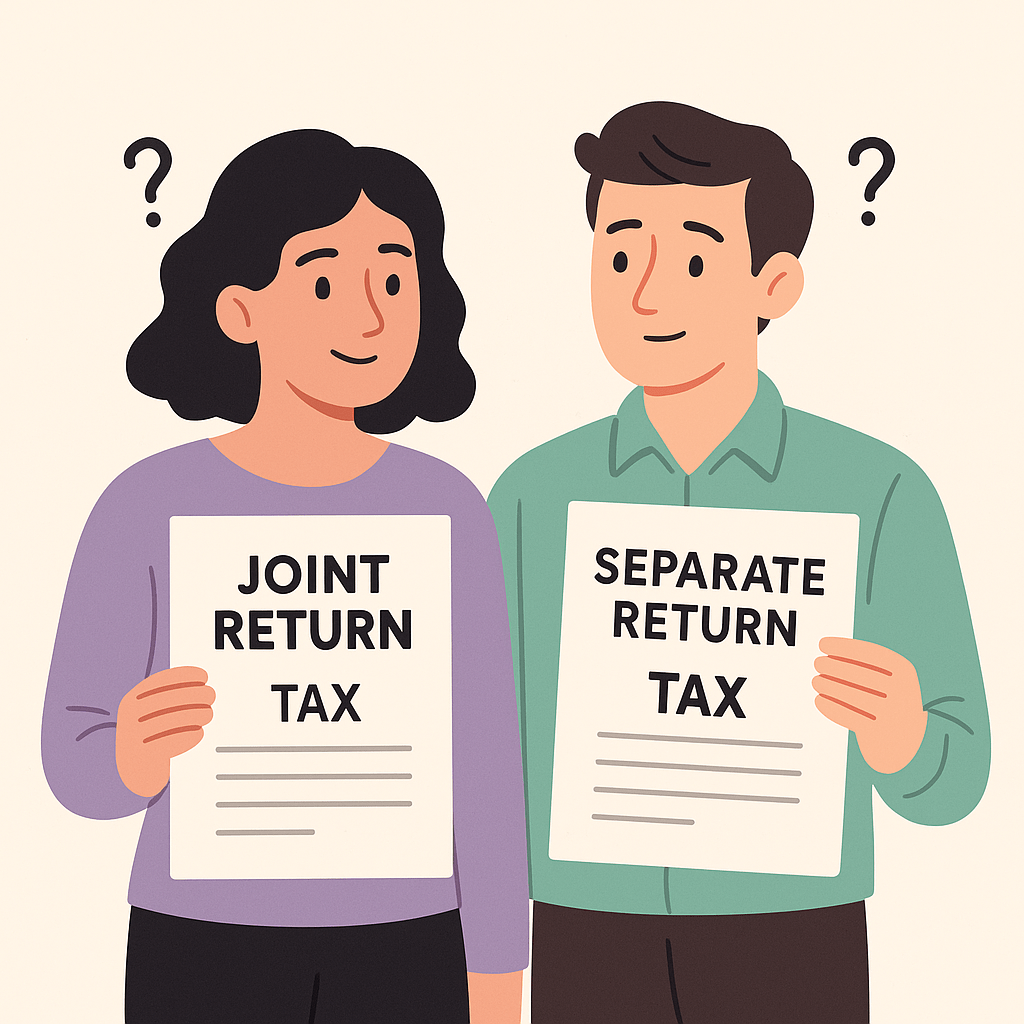
Write your name, address, Social Security number, and filing status (single, married, head of household). Easy.
Step 2: Multiple Jobs or Spouse Works
- If you have more than one job, or your spouse works, check this section.
- The form has a worksheet or you can use the IRS Tax Withholding Estimator online.
Step 3: Claim Dependents
- Got kids? This is where you get credit (literally).
- Write the number of dependents and the credit amount the form guides you through.
Step 4: Adjustments (Optional)
This is where you fine-tune:
- Other income (like side hustles).
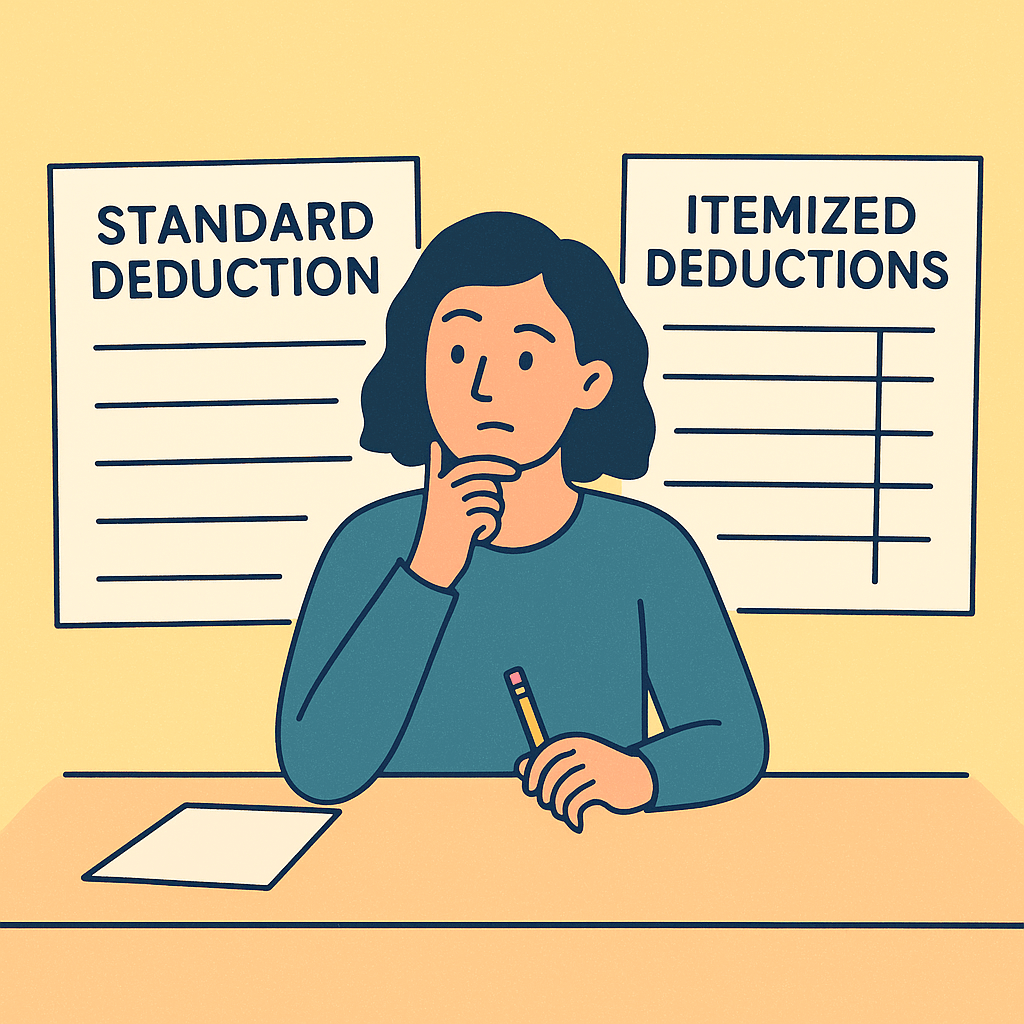
- Deductions beyond the standard.
- Extra withholding if you’d rather have a buffer and avoid surprise tax bills.
Step 5: Sign and Date
No signature = no valid W-4 = no paycheck. Don’t skip this.
Pro Tips
- Life changes = new W-4. Marriage, new baby, side gig, or second job? Update your form.
- Bigger refund vs. bigger paycheck. Decide what matters more: extra money now or a chunk at tax time.
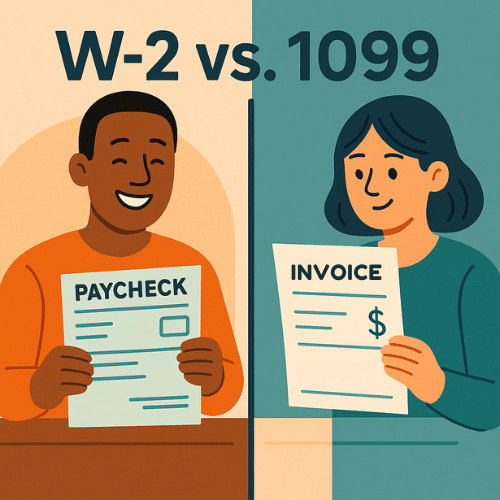
- Side hustle? You may want extra withholding to cover your 1099 income.
(General information only—confirm with current IRS guidance or a tax professional.)
Bottom Line
The W-4 isn’t as scary as it looks. It’s just your way of telling your employer, “Here’s how much tax to take out.” Fill it out once, update when life changes, and you’ll keep tax season drama-free.
👉 Want help making sure your W-4 fits your real tax situation? Ask a quick question — we’ll point you right.