If you spend any time on TikTok or Instagram, you’ve probably seen people promising “secret” tax loopholes. Spoiler: most of them are either flat-out wrong or so risky they could cost you more than they save.
The good news? You don’t need fake hacks to save money. The IRS actually offers plenty of real credits and deductions—you just need to know which ones apply to you.
Let’s compare some fake internet loopholes with real tax breaks you can actually use:
Fake: “Claim your pets as dependents.”
The truth: As much as you love your golden retriever, the IRS doesn’t consider pets as children. Dependents must be humans who meet specific rules (age, residency, support, etc.).
Real alternative: If you do have kids, you may qualify for the Child Tax Credit or the Child and Dependent Care Credit for daycare expenses. Those are real money-savers for parents.
Fake: “Write off your entire rent if you open a laptop at home.”
The truth: The home office deduction doesn’t cover your whole rent just because you answered emails at the kitchen table. It only applies to space used exclusively for work—and usually only if you’re self-employed.
Real alternative: Side hustlers and freelancers can use the home office deduction if they meet the criteria. Even a small write-off adds up over the year.
Fake: “You don’t have to report cash or side hustle income under $600.”
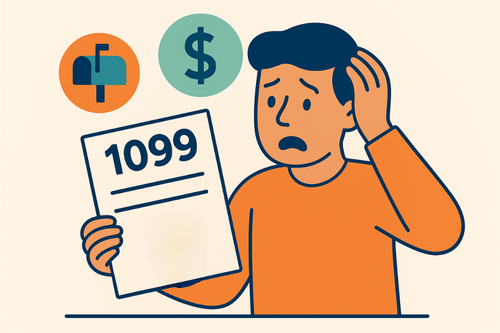
The truth: All income is taxable, even if you don’t get a 1099. The $600 rule only determines when a payment app or client must send you paperwork.
Real alternative: Reporting side hustle income also lets you deduct business expenses like supplies, mileage, or software. Done right, you can shrink your taxable income and keep more cash in your pocket.
Fake: “Declare yourself exempt and keep your whole paycheck.”
The truth: Claiming exempt on your W-4 without qualifying just means you’ll owe a big bill (plus penalties) at tax time.
Real alternative: Adjusting your W-4 the right way helps you balance your take-home pay and your refund. No gimmicks, just smart planning.
Fake: “Turn personal shopping into business expenses.”
The truth: Writing off sneakers as a “uniform” or dinners as “client meetings” when they’re not legitimate can trigger audits. The IRS isn’t buying it.
Real alternative: Real business expenses are deductible—think tools, software, advertising, or professional fees. They need to be ordinary and necessary for your work.
Bottom Line
The internet is full of fake loopholes—but the real tax code already has legit ways to lower your bill. You just need to know which ones you qualify for.
👉 Book your return in 2 minutes and let us help you claim every real break you deserve.
General information only—confirm with current IRS guidance or a tax professional.