Spoiler: If it sounds too good to be true, it probably came from a 60‑second TikTok.
Tax season is stressful enough without social media telling you there are secret “hacks” to avoid paying what you owe. We’ve seen everything from the sovereign citizen loophole to “write off your rent if you work from home” advice go viral. Problem is—bad tax advice can cost you big time.
Here are five of the most common tax myths we see floating around TikTok and the real story behind them:
1. “You don’t legally have to pay income tax.”
The myth: Sovereign citizen videos claim the IRS can’t make you pay taxes if you declare yourself exempt.
The truth: The U.S. has required income tax filing since 1913. Refusing to file doesn’t make you free—it makes you liable for penalties, interest, and potentially criminal charges. The IRS has won every case against this argument.
Think of it like ignoring a parking ticket: pretending it doesn’t exist doesn’t make it go away.
2. “Side hustle money under $600 isn’t taxable.”
The myth: If you earn less than $600 from Venmo, CashApp, or Etsy sales, you don’t have to report it.
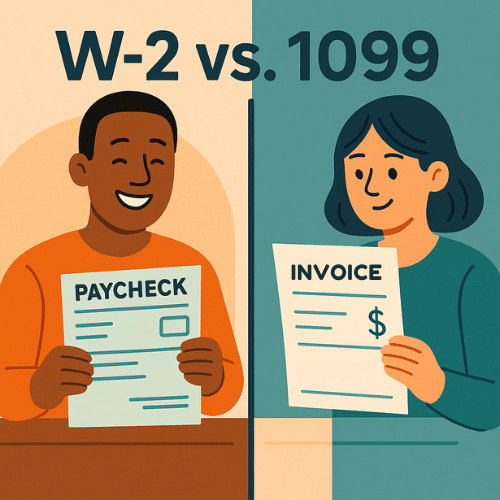
The truth: All income is taxable, even if you didn’t get a 1099 form. The $600 threshold only determines when the platform must send you paperwork—it’s not a free pass.
3. “Write off your whole rent if you work from home.”
The myth: A trending clip says your landlord payments are a full tax deduction if you open a laptop at your kitchen table.
The truth: The home office deduction is real, but it only applies to the square footage exclusively used for work. For most W‑2 employees, it’s not deductible at all. So unless you turned your pantry into a mini WeWork, this one’s a stretch.
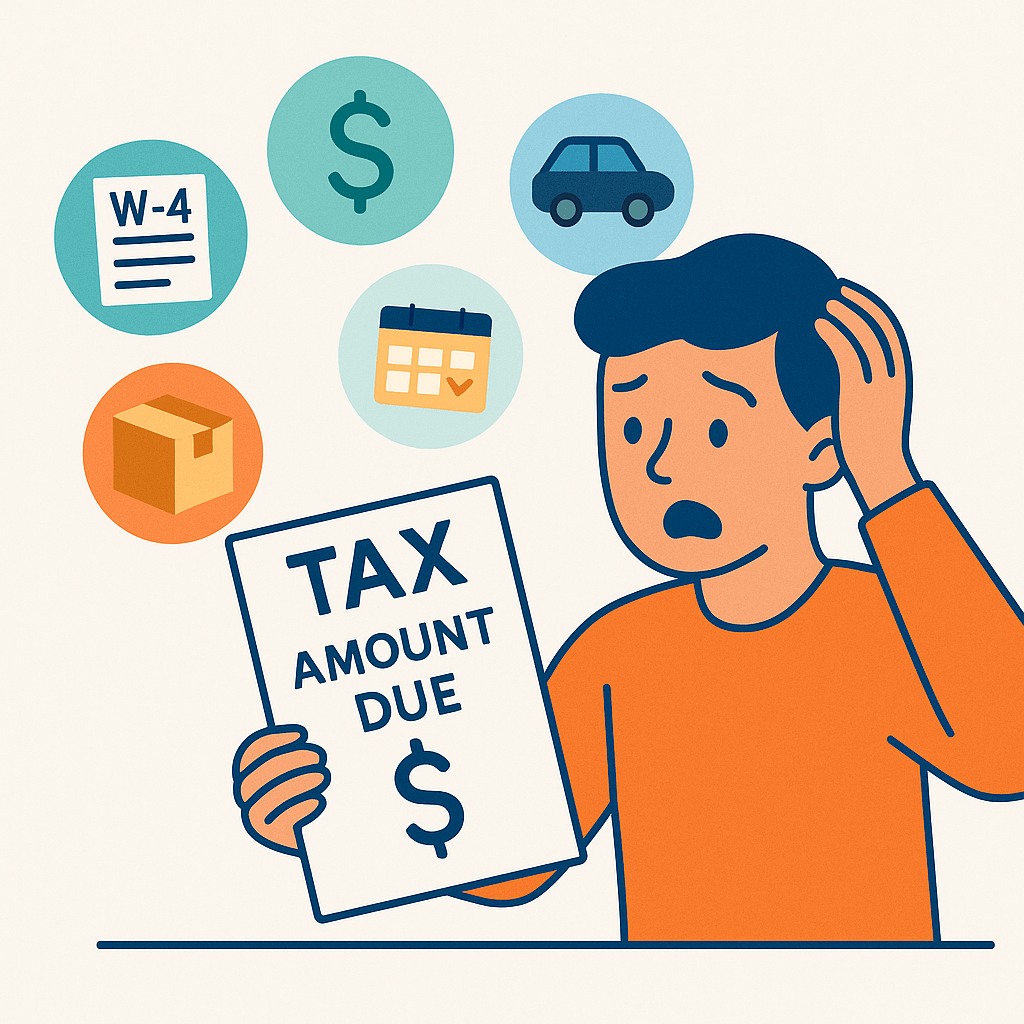
4. “Get a bigger refund by claiming extra allowances on your W‑4.”
The myth: TikTokers suggest fudging your W‑4 so your paycheck is bigger and your refund is massive.
The truth: Your W‑4 just controls how much tax is withheld during the year. If you claim allowances you don’t qualify for, you’ll owe more at tax time (plus possible underpayment penalties). Translation: short‑term win, long‑term headache.
5. “File exempt—you’ll get your whole paycheck!”
The myth: Some videos push employees to mark themselves “exempt” from withholding to take home more money.
The truth: You can only claim exempt if you had zero tax liability last year and expect the same this year. If that’s not true, you’ll owe the IRS a lump sum in April. That “extra” cash wasn’t free—it was just a tax bill on layaway.
Bottom Line
Social media is great for recipes and dog videos—not tax planning. The IRS doesn’t accept loopholes you found on TikTok.
Want to keep more of your money (legally)? We’ll help you grab every credit and deduction you actually qualify for—no myths, no stress.
👉 Book your return in 2 minutes and skip the TikTok tax traps.
General information only—confirm with current IRS guidance or a tax professional.