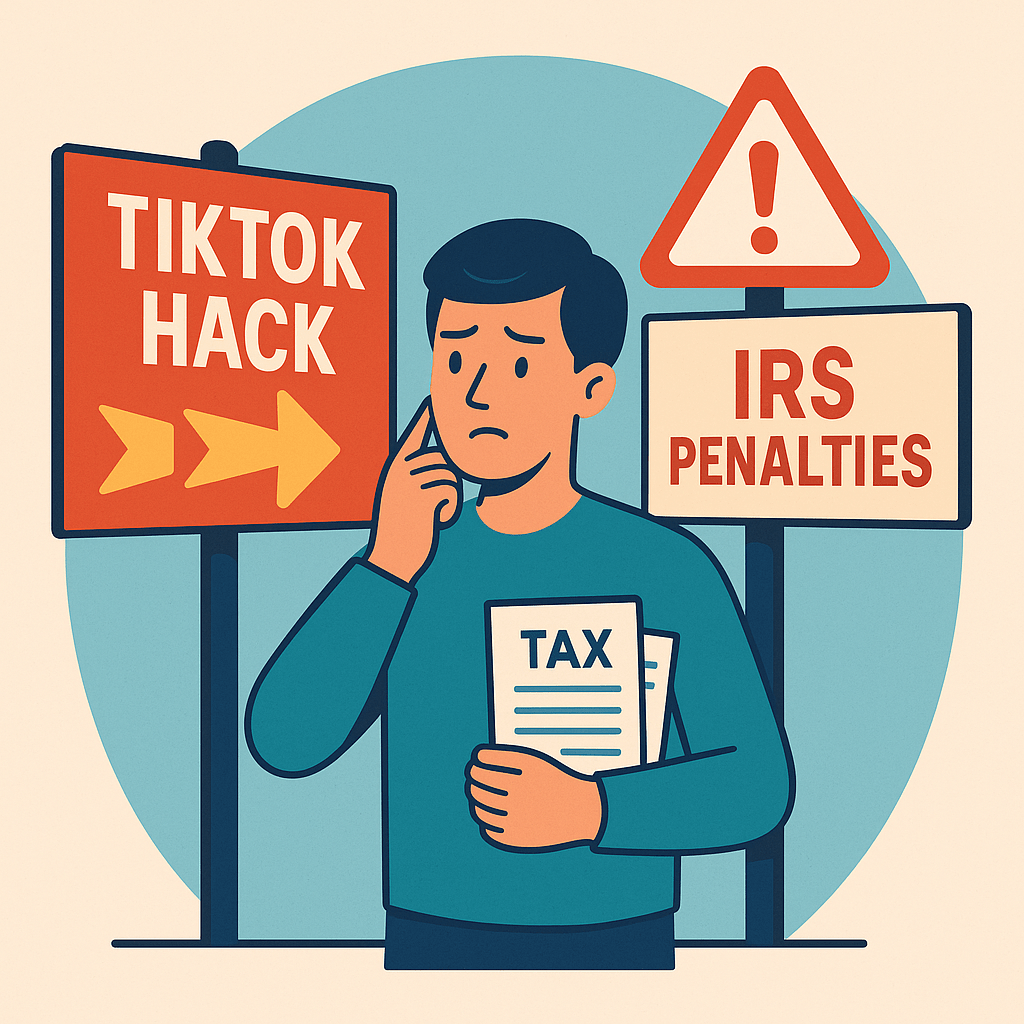
Social media is full of shortcuts: hacks to clean your oven, fold a fitted sheet, or save on taxes. But when it comes to taxes, some “hacks” cross into dangerous territory—like the so-called sovereign citizen strategy.
If you’ve seen videos claiming you can declare yourself exempt from U.S. taxes, here’s the reality of what happens when people try it.
1. The IRS Notices (Fast)
The IRS has seen every version of the “I don’t owe taxes” argument. Courts have rejected these claims for decades. Refusing to file or pay isn’t clever—it’s a red flag that draws more attention, not less.
2. Penalties Pile Up
If you don’t file, the IRS adds a failure-to-file penalty. If you don’t pay, they add a failure-to-pay penalty. Both grow over time, plus interest. What looked like a “hack” can double your bill in no time.
3. Refunds Disappear
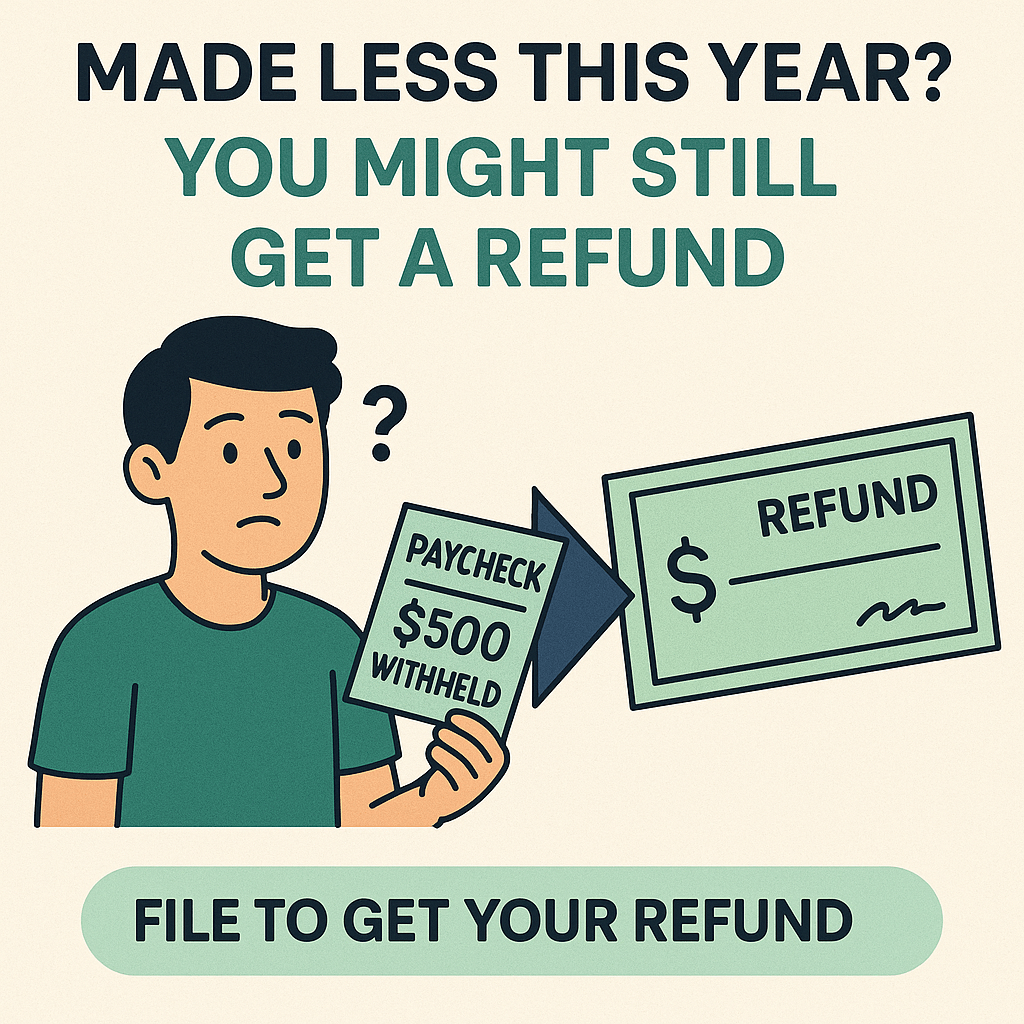
If you were actually owed a refund, refusing to file means you’ll never see it. After three years, unclaimed refunds are gone for good. That’s money you worked for—left on the table.
4. Collections Get Serious
The IRS can garnish wages, seize bank accounts, or put liens on property. They don’t need your permission. TikTok might tell you you’re “free”—but your paycheck may tell a different story.
5. Legal Trouble Is Possible
Civil penalties are common, but in extreme cases, criminal charges can apply. Jail time is rare, but it’s not off the table if someone willfully refuses to comply. Not exactly the life hack most people want.
The Bottom Line
Sovereign citizen tax tricks aren’t shortcuts—they’re detours into bigger problems. The good news? You don’t need fake loopholes to save money. Real credits and deductions exist, and we’ll help you find every one you qualify for.
👉 Book your return today and keep things legal, simple, and stress-free.
General information only—confirm with current IRS guidance or a tax professional.